As part of the course China Studies: Industry, Culture and Society, students undertook a field study trip to Henan Province from December 5 to December 8, 2024. The program went on the regional industrial development, ecological governance, rural revitalization practices, and institutional innovation. Guided by Professor Zhang Wei and Professor Li Kaiwei, the field study complemented classroom learning through direct engagement with enterprises, communities, and governance institutions across the province.
Video highlights from the China Studies field study in Henan
(made by Agoston Bodo)
Day 1 Industrial Modernization and Smart Manufacturing in Zhengzhou
SFD and Henan Canran Jewelry
The field study opened with an introduction to the jewelry sector through SFD and its subsidiary Henan Canran Jewelry. The visit demonstrated how traditional craftsmanship has evolved through digital design tools, precision manufacturing, and contemporary branding strategies. Observations covered gemstone processing, quality inspection procedures, and the company’s expansion into domestic and international markets, illustrating how creative industries adapt to technological upgrading while preserving cultural identity.
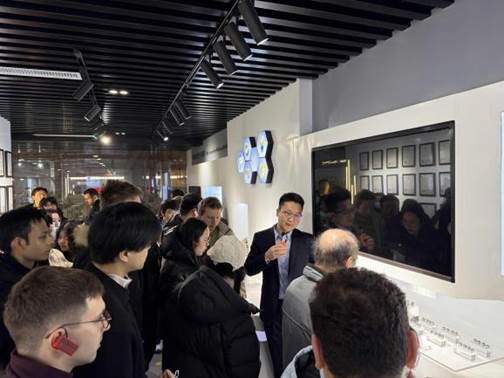
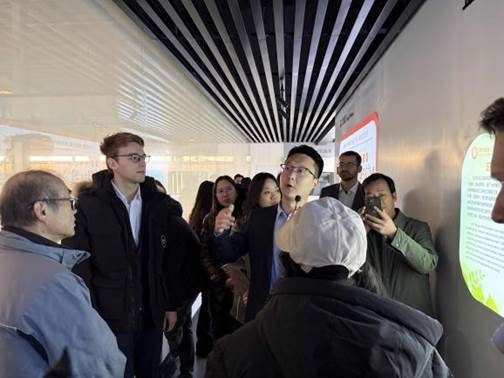
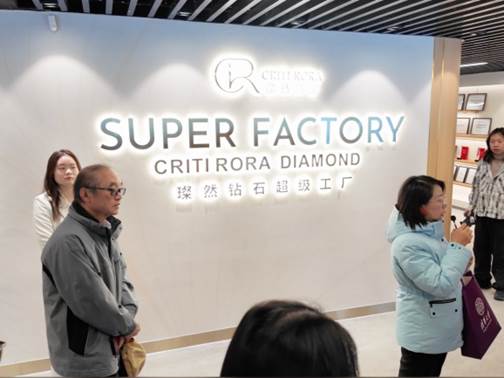
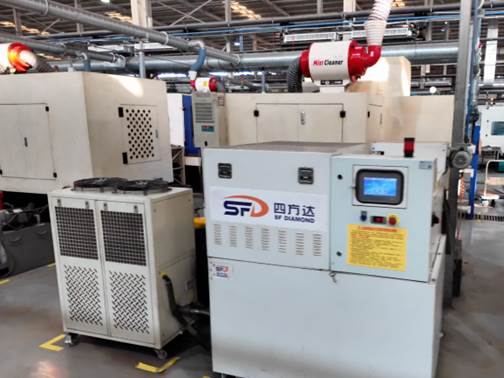
Exploring jewelry manufacturing and design processes
Zhengzhou Coal Mining Machinery Group (Zhengzhou Zhongzhuan Zhiling Industrial Technology Group)
At this major industrial technology enterprise, attention focused on intelligent mining equipment, automated control systems, and the digital transformation of heavy machinery manufacturing. Presentations introduced high-reliability hydraulic supports widely deployed in national mining operations, showing how innovation-driven manufacturing reshapes traditional industries while enhancing safety, efficiency, and sustainability.
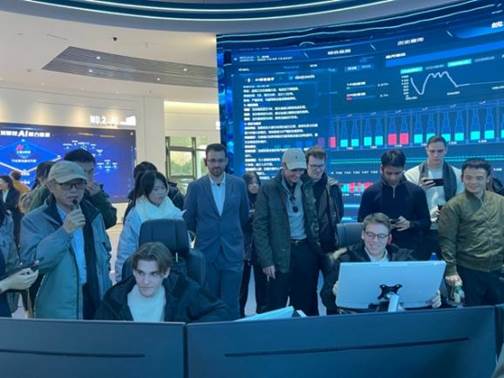
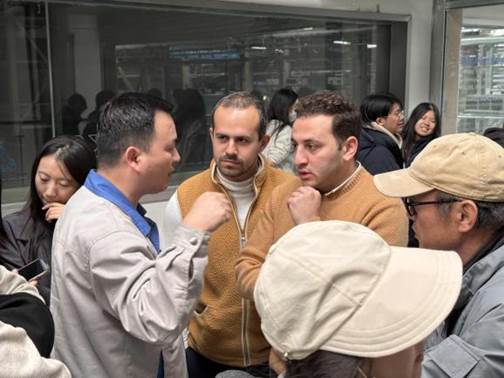
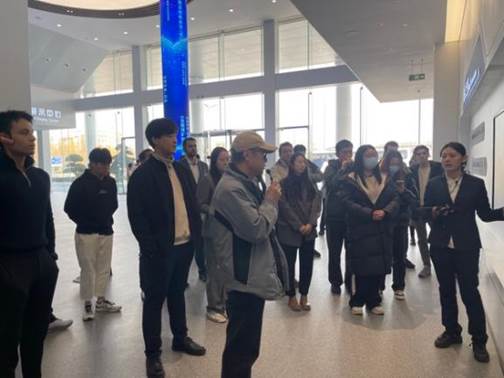
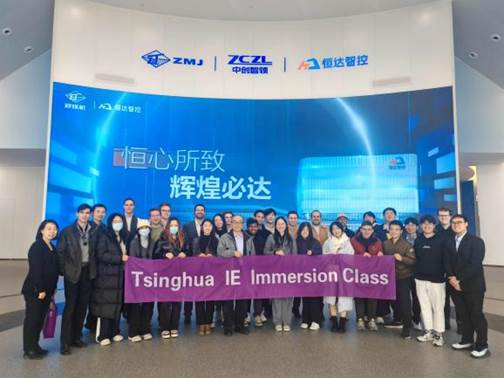
Students explored intelligent mining equipment, automated control systems
Yutong New Energy Commercial Vehicle Base
The day concluded with a visit to Yutong, one of China’s leading new energy bus manufacturers. Students observed production lines for electric and hydrogen-powered buses, including battery pack assembly, quality control systems, and intelligent manufacturing technologies. Discussions addressed global EV markets, export strategies, and China’s expanding role in sustainable transportation.
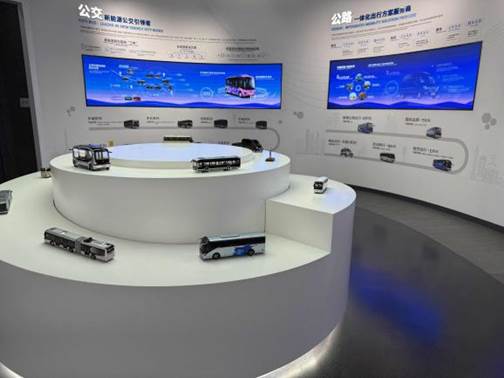
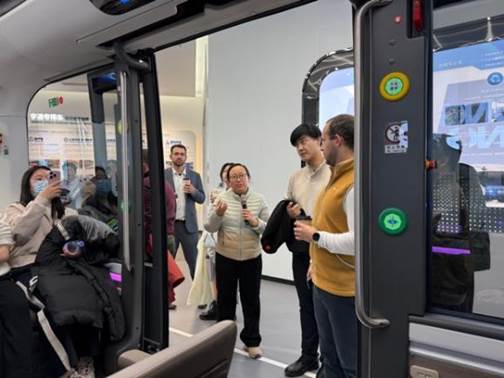
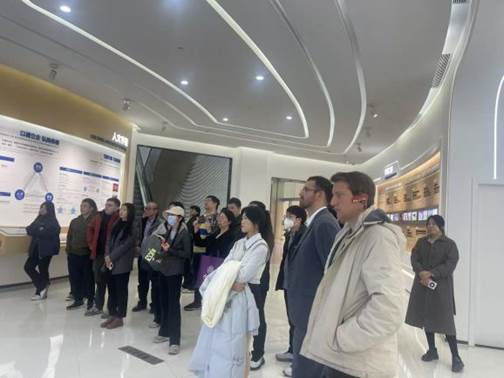
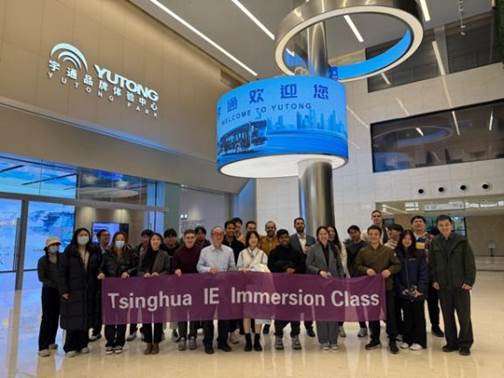
Students explored the production lines for electric and hydrogen-powered buses
Day 2 Cultural Heritage, Leadership Legacy and Ecological Governance in Kaifeng & Lankao
Kaifeng Museum
Henan’s historical and cultural foundations were explored through exhibitions on ancient capitals, archaeological discoveries, and the evolution of regional civilization. The museum provided essential context for understanding China’s dynastic history, urban development, and cultural continuity.
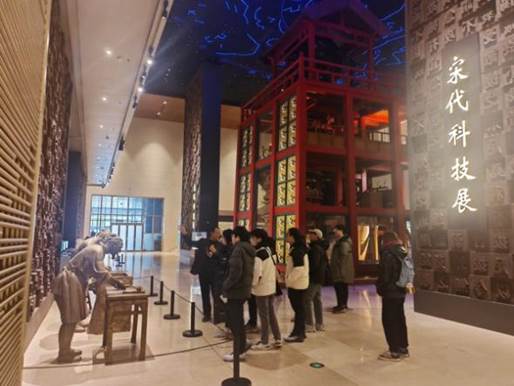
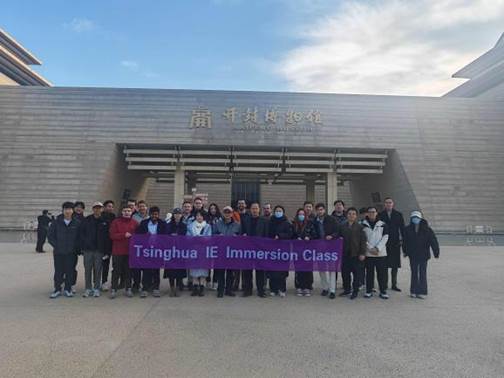
Engaging with historical exhibits at Kaifeng Museum
Lankao County Exhibition Hall
In Lankao, the visit centered on the legacy of Jiao Yulu, whose leadership in the 1960s transformed the county during periods of severe poverty, sandstorms, and environmental degradation. Exhibits illustrated governance practices, public service commitment, and national strategies for rural reform, closely aligning with course discussions on governance and political culture.
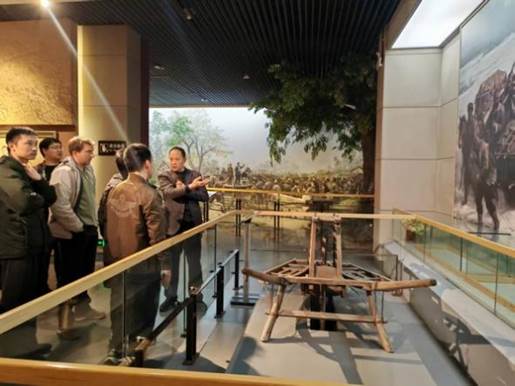
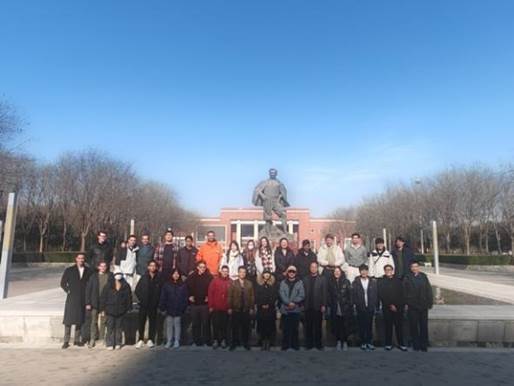
Learning about grassroots governance and leadership legacy
Yellow River Bay
At this ecological restoration site, observations included riverbank rehabilitation, wetland protection initiatives, and environmental management strategies along the Yellow River. The visit demonstrated how ecological governance contributes to rural revitalization through improved environmental resilience, agricultural conditions, and tourism potential.
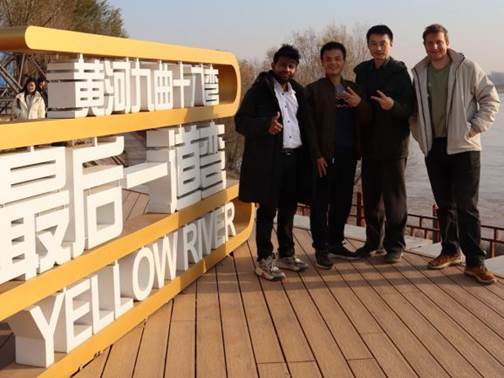
Students beside Yellow River
Day 3 Rural Revitalization, Ecological Agriculture and Community Development in Xinxiang
South-to-North Water Diversion Project
One of China’s most significant national infrastructure projects provided insight into large-scale water engineering, reservoir management, and ecological protection measures. Discussions emphasized the strategic importance of water redistribution for national security, urban development, and agricultural sustainability.
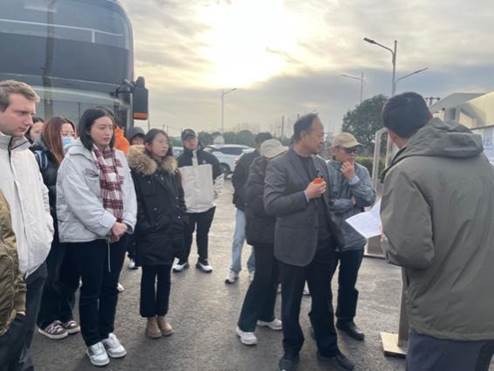
Understanding large-scale water infrastructure and ecological management
Guoliang Village & Wanxian Mountain
Rural revitalization through tourism-driven development was examined in this mountainous area. The visit showed how local communities leverage natural landscapes and cultural identity to build local industries, improve livelihoods, and preserve heritage, while also addressing infrastructure challenges faced by remote settlements.
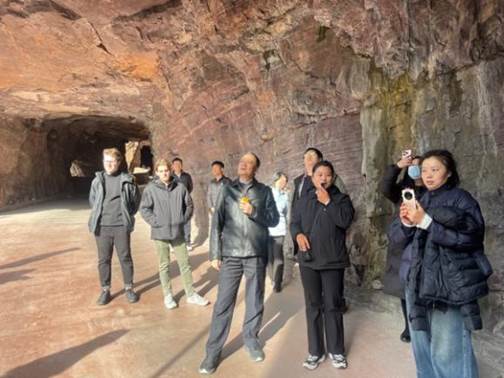
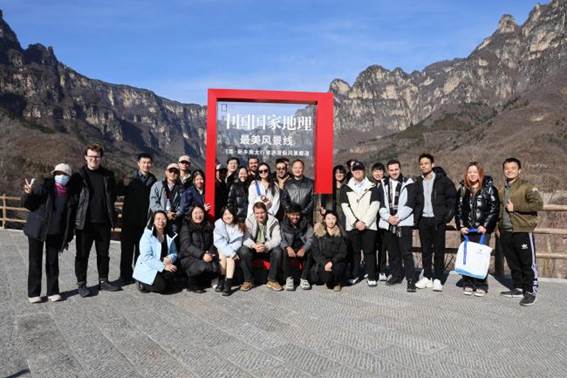
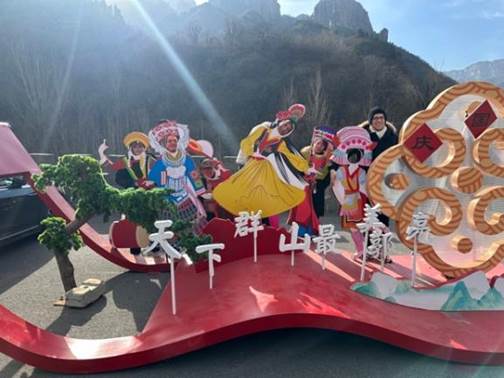
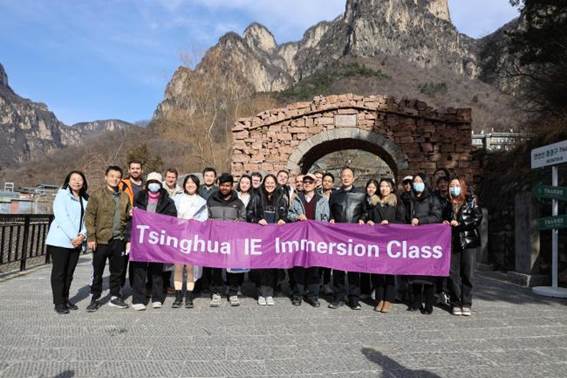
Exploring rural revitalization in mountainous communities
Starway Biotechnology
As Asia’s largest enoki mushroom production facility, Starway presented a model of industrialized ecological agriculture. Automated climate control systems, sterile production lines, and AI-assisted monitoring technologies illustrated how agricultural production meets rising consumer demand while maintaining environmental controls.
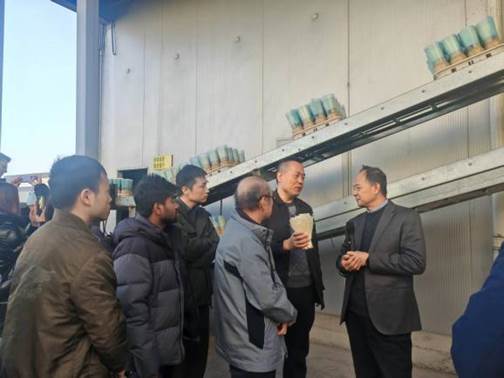
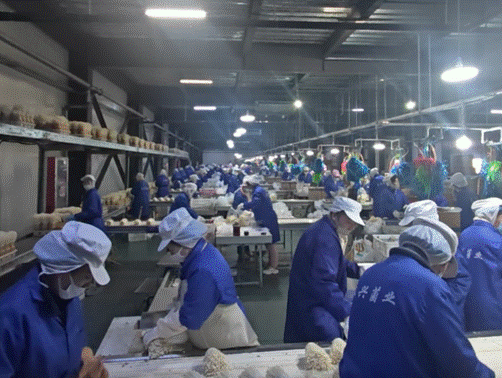
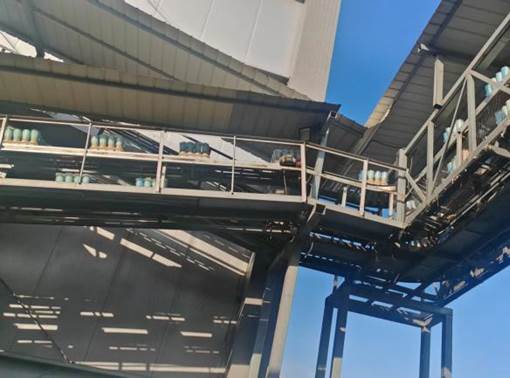
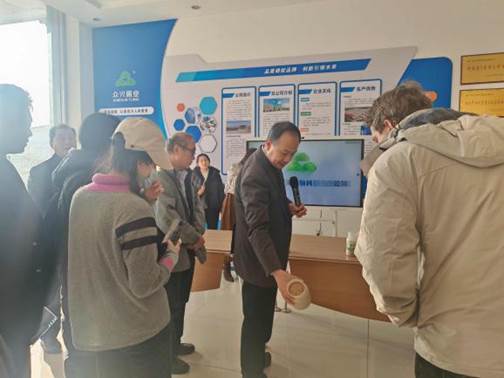
Observing automated ecological agriculture systems
Tsinghua Rural Revitalization Workstation
The visit to the Tsinghua Rural Revitalization Workstation demonstrated how university–local cooperation supports community planning, public service design, and cultural preservation, offering insight into practical challenges in implementing rural revitalization policies at the grassroots level.
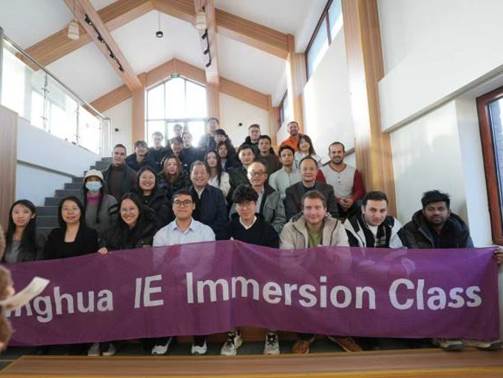
Group photo at Tsinghua Rural Revitalization Workstation
Pickleball Court
A visit to the pickleball court illustrated how rural public services are expanding through recreational space development, reflecting broader lifestyle changes, community engagement, and modernization trends in rural areas.
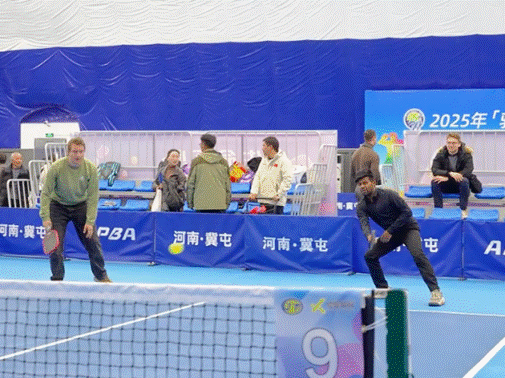
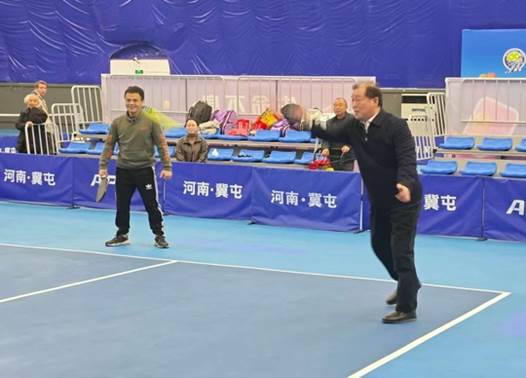
Exploring rural public service development through community sports facilities
Exhibition Hall of Whole-Process People’s Democracy
This visit provided insight into participatory governance mechanisms and the local implementation of whole-process people’s democracy. Governance structures integrating consultation, supervision, and community participation were presented through concrete local practices.
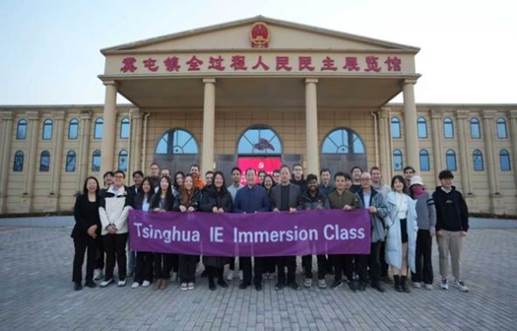
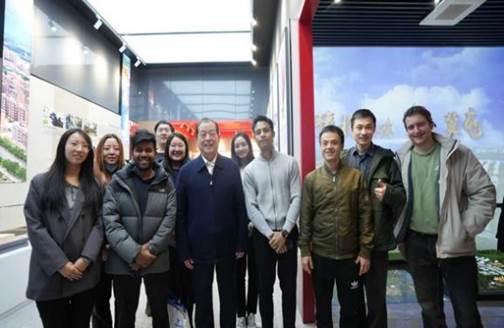
Learning about participatory governance at the community level
Pang Dong Lai
Known for its distinctive organizational philosophy and service culture, Pang Dong Lai represents an innovative model in China’s retail sector. The visit examined how employee empowerment, customer-centered strategies, and streamlined management contribute to operational success.
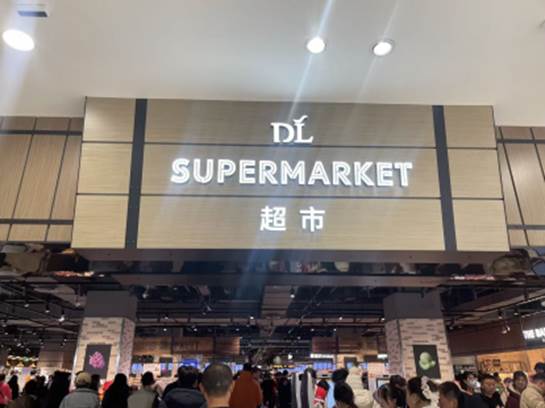
Students at Pang Dong Lai
Day 4 Advanced Manufacturing, Biotechnology and Consumer Industry Innovation
Weihua Group
As one of China’s leading industrial crane manufacturers, Weihua showcased large-scale machinery assembly, port crane systems, and intelligent lifting technologies. Demonstrations highlighted the integration of automation, sensor systems, and safety monitoring, illustrating how industrial upgrading strengthens competitiveness in high-end equipment manufacturing.
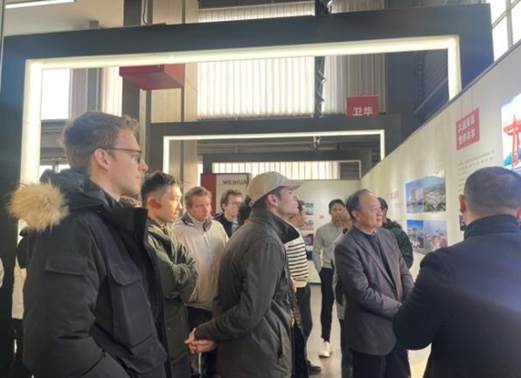
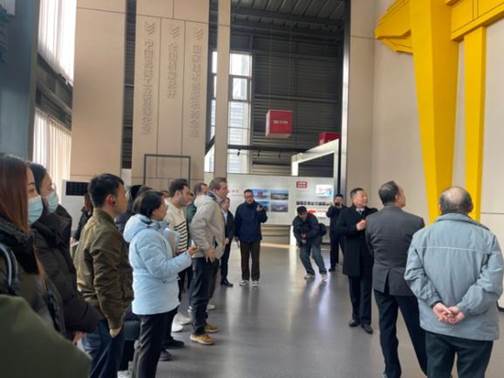
Learning port crane systems and intelligent lifting technology
Hualan Bio
At this biopharmaceutical enterprise, tours of vaccine production facilities introduced workflows spanning research and development, quality assurance, and biosafety management. Presentations emphasized China’s expanding capabilities in biotechnology, public health preparedness, and international vaccine collaboration.
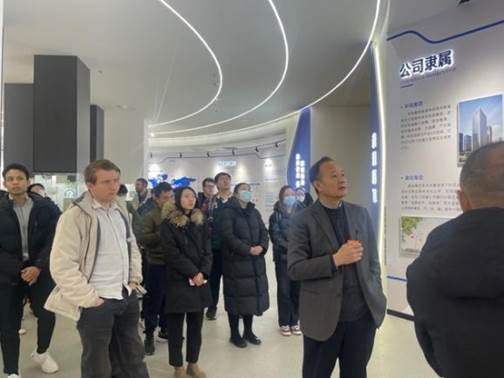
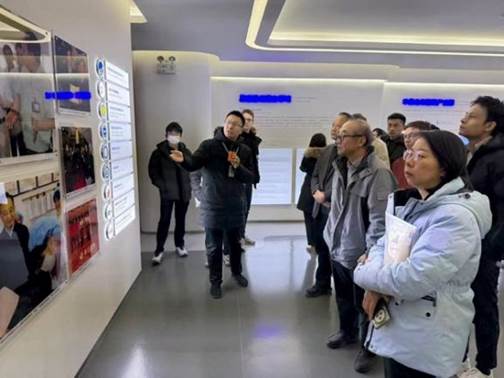
Students toured vaccine production facilities
Frestec
Energy-efficient cooling technologies, smart home integration, and global supply chain strategies were examined at Frestec’s appliance manufacturing base. The visit illustrated how China’s consumer appliance industry balances technological advancement with sustainability goals.
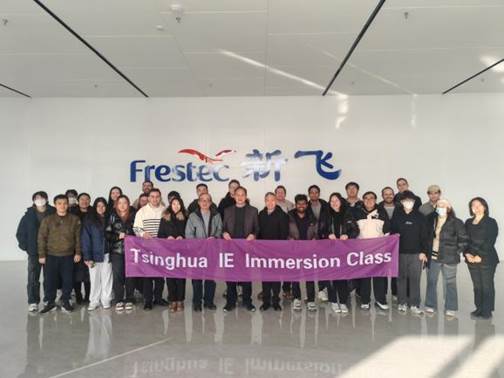
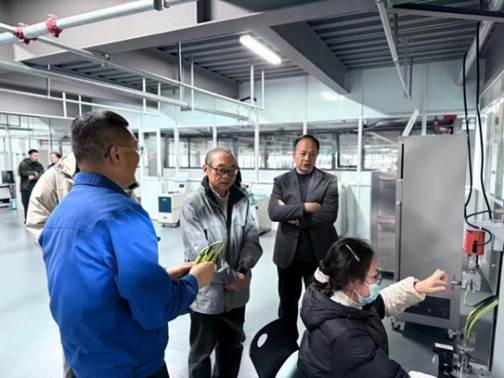
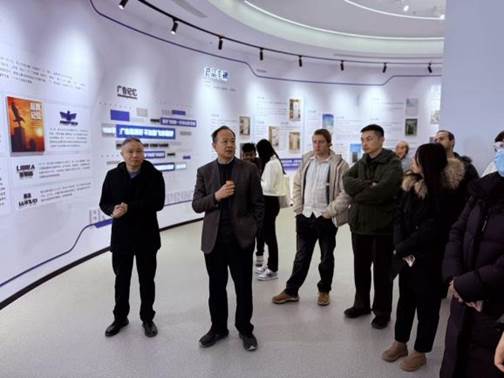
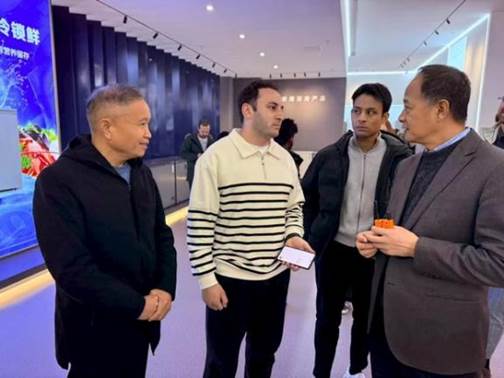
Experiencing smart-home integration and global supply chain strategies
Henan Bangni
The final visit focused on ergonomic product design through insole and foot-care manufacturing. Demonstrations covered material science applications and product testing, highlighting the role of mid-sized enterprises in everyday consumer innovation and the connection between industrial technology and daily life.
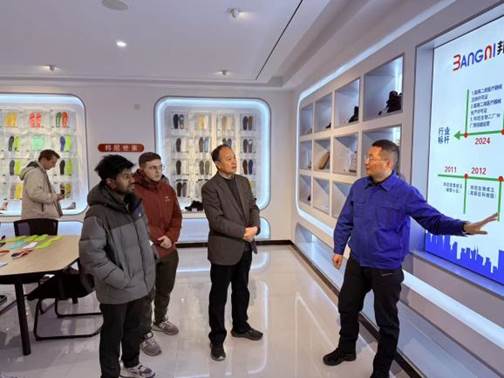
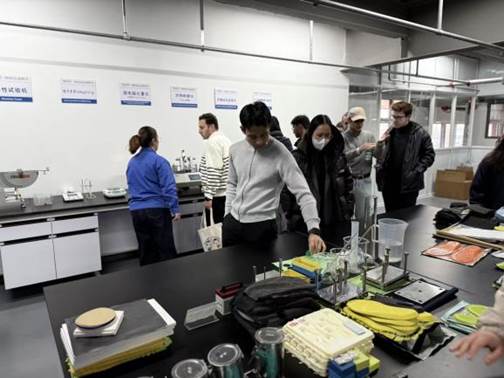
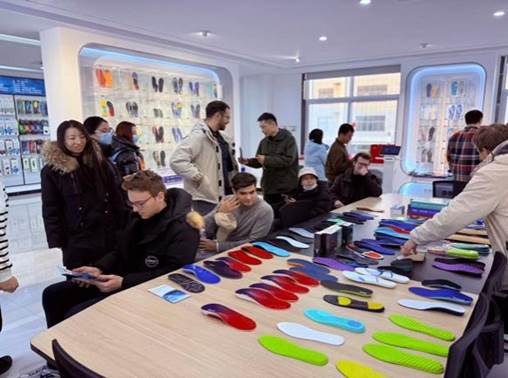
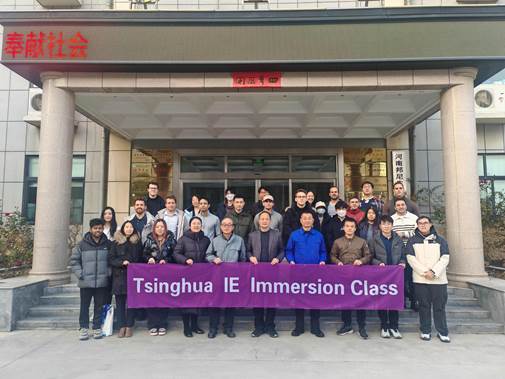
Learning material science applications, product testing at Bangni
Across four days, the Henan field study provided a multidimensional exploration of China’s industrial modernization, ecological governance, cultural heritage, and rural revitalization. By engaging with enterprises, communities, and governance institutions, students connected classroom concepts with practical realities. The experience strengthened analytical understanding of regional development and broadened perspectives on China’s evolving role in global industry, ecology, and governance.
Students’ Voice
Thank you for this beautiful journey through which I learned new things and gained a deeper understanding of Chinese work culture, in addition to the good and valuable relationships I built. I truly appreciate this beneficial journey that combined entertainment, learning, and gaining experience all at the same time.
from Mostafa, 2025 IMEM
This trip was very interesting. I had been wanting to visit some companies and rural areas for a long time, but without support, that can be quite difficult. It was great to see how business works in China and how cooperation between society and businesses is structured here. It was very educational!
from André de Mots, exchange student
I am truly grateful to the department for organizing this trip. It allowed me to connect with students from different countries, witness firsthand the pragmatic spirit behind China’s major national projects, and gain a deeper understanding of Chinese society through visits to towns and villages in Henan. As a Chinese student, this journey also helped me see how well-known brands have grown over time and how leading enterprises like Weihua drive the nation’s industrial development. The experience was deeply enriching.
from Xiaotong Wang, 2022 MEM
Writer: Mamun
Editor: Rui Lu
Reviewers: Liang Ma, Lefei Li







 Intranet
 中
中
 Search