On July 19, Tsinghua University held the closing ceremony for its 2026 Industrial Engineering and Data Analytics Summer School in the Shunde Building. Twenty-four students from 15 countries completed two weeks of coursework, laboratory training, company visits, and cultural activities. Attending the ceremony were Kaibo Wang, Chair of the Department of Industrial Engineering; Liang Ma, Assistant to the Department Chair and Head of International Exchange and Cooperation; Feifan Wang, Associate Professor in the department; and James Browne, a member of the Royal Irish Academy and the Irish Academy of Engineering. Haitao Wang, who oversees the department's international master's programs, hosted the ceremony.
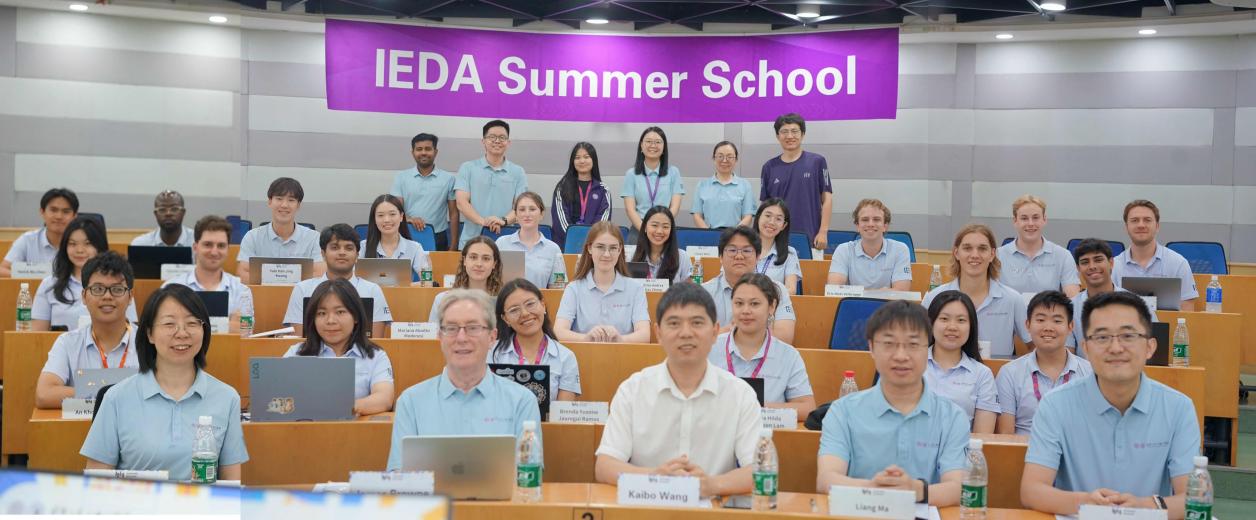
At the closing ceremony
The closing ceremony opened with a video looking back on the summer school. Its vivid scenes took faculty and students back through a rewarding and memorable two weeks, drawing repeated applause and creating a warm and lively atmosphere.
Student representatives Viktoriia Chekalina from Russia and Dominik from Austria then shared their reflections. They said that two weeks of study and hands-on work had deepened their understanding of China's industrial development. Studying, exchanging ideas, and working together also helped students from different countries get to know one another and form close friendships.
In his address, Kaibo Wang congratulated all the students on completing the program. He encouraged them to remember what they had learned at Tsinghua, apply it in their future studies and practical work, stay curious and eager to explore, and continue to broaden their international outlook.
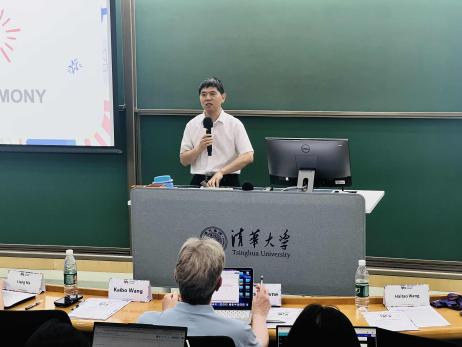
Kaibo Wang delivers his address
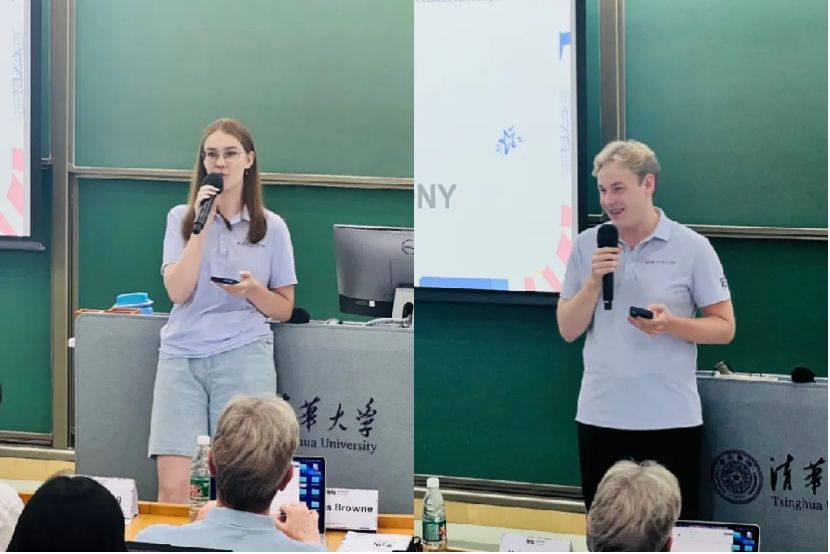
Student representatives speak
Six student teams presented projects on China's high-speed rail, new energy vehicles, smartphones, e-commerce and online payments, new energy, and artificial intelligence and agriculture. Drawing on their coursework, company visits, and observations and reflections in China, the teams examined industrial development, technology applications, and future trends.
Professor James Browne and Associate Professor Feifan Wang offered feedback on the presentations and commended the students for completing their research and presentations in a short time. They encouraged students to keep using industrial engineering approaches to analyze and solve problems and to apply what they had learned in class to real industrial challenges.
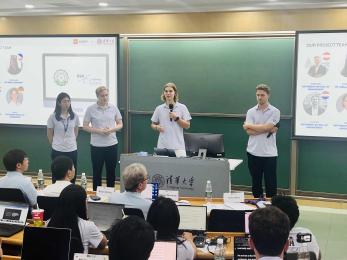
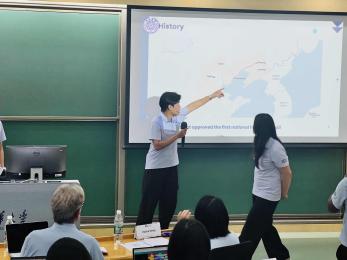
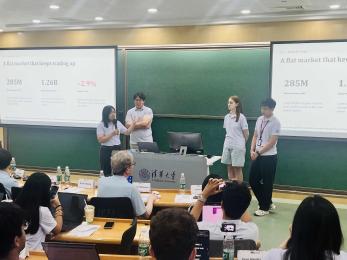
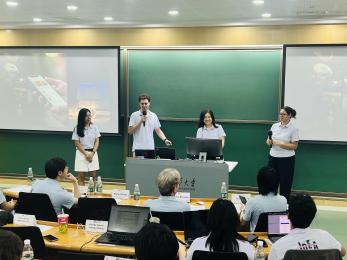
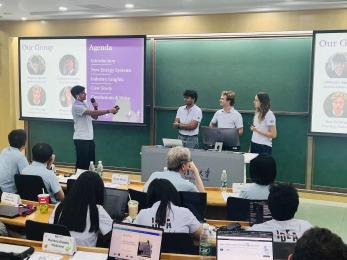
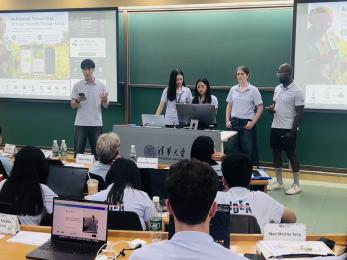
Group project presentations
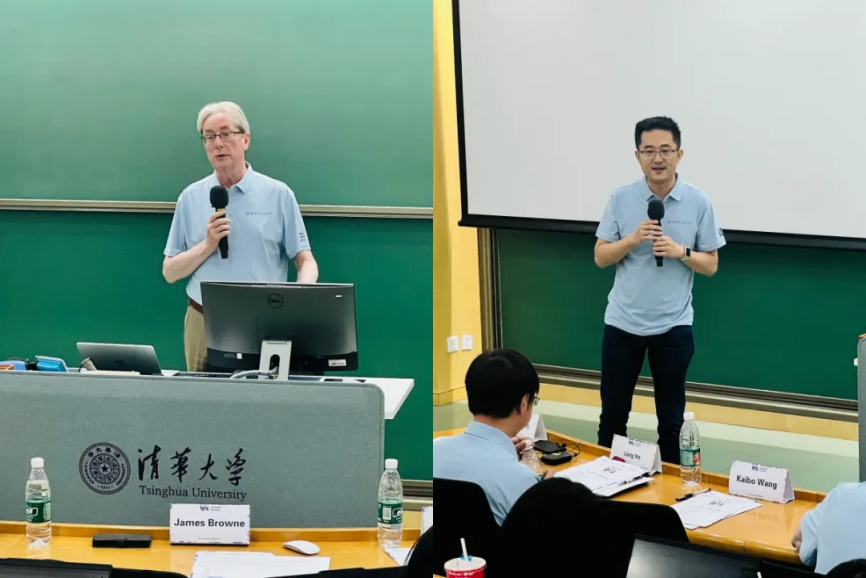
Feedback session
In her closing remarks, Liang Ma praised the students' enthusiasm for learning, teamwork, and ability to communicate across cultures. She expressed hope that they would help connect China with the rest of the world and foster exchange and cooperation across cultures. To close the ceremony, the guests presented certificates of completion to all participants and posed for a group photo.
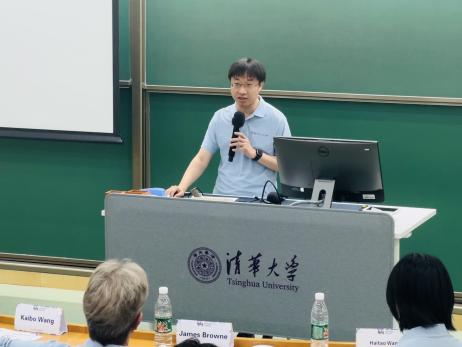
Liang Ma delivers her closing remarks
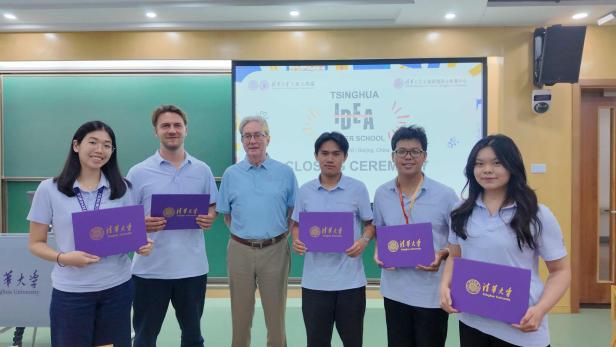
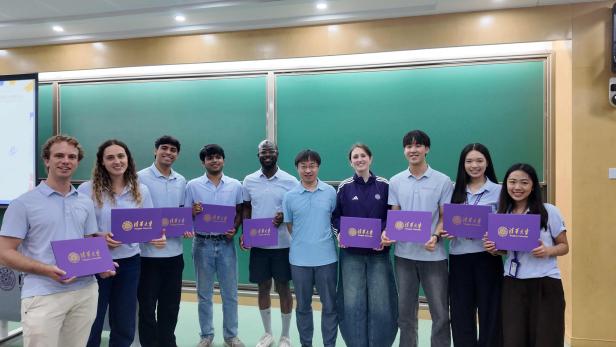
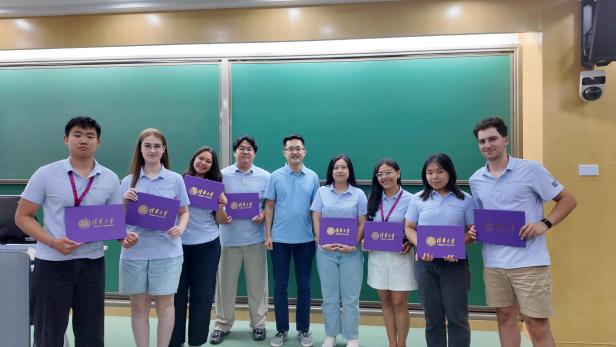
Presentation of summer school certificates
The two-week Industrial Engineering and Data Analytics Summer School combined academic study, hands-on learning, and cultural exchange throughout the program. Courses covered intelligent production systems, international logistics, large language models, data-driven quality management, human factors engineering, and system reliability, helping students understand how industrial engineering and data analytics are applied in modern industry. In laboratory sessions on production management and on orange juice production and supply chain optimization, students worked in teams and applied classroom theory to real-world problems. This deepened their understanding of core industrial engineering concepts such as production management, supply chain coordination, and system optimization.
The summer school also organized visits to the Xiaomi EV Super Factory, Alibaba Cloud, Snow Valley Agriculture Group Co., Ltd., Ming Yang Smart Energy Group Co., Ltd., the Zhangjiakou Nanshan Automotive Industrial Base, BWI (Beijing) Limited, and Lynk & Co. These visits gave students a closer look at developments in intelligent manufacturing, digital technology, green energy, modern agriculture, and the automotive industry. Seeing these industries firsthand helped them better understand the role of industrial engineering and data analytics in advancing industrial innovation and digital transformation.
Beyond the classroom, the summer school offered a range of cultural activities. Students visited Wuyutai to experience traditional Chinese tea culture and learn about tea and how to brew it. They also visited the Great Wall and the Summer Palace together, exploring China's long history and cultural heritage through historic sites and landscapes. In their day-to-day interactions, students from different countries shared what makes their cultures distinctive and formed close friendships as they studied and lived together.
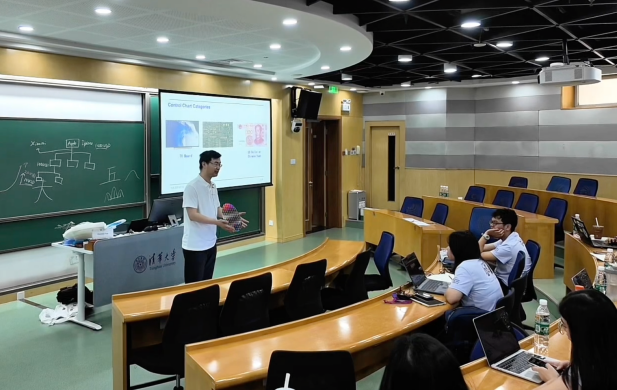
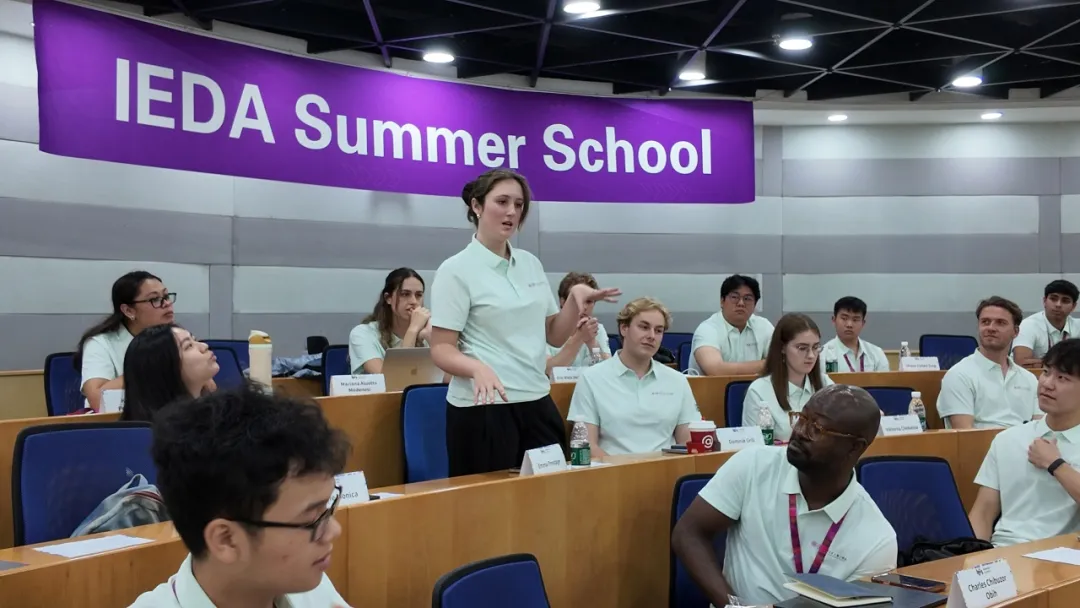
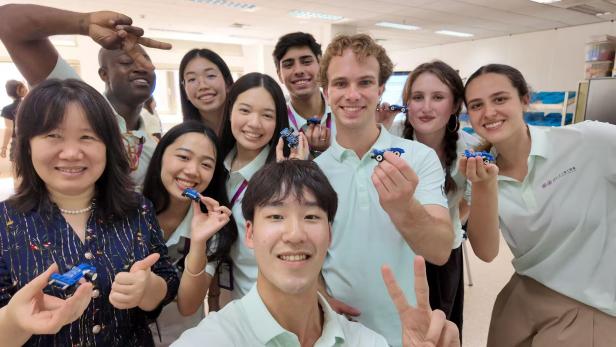
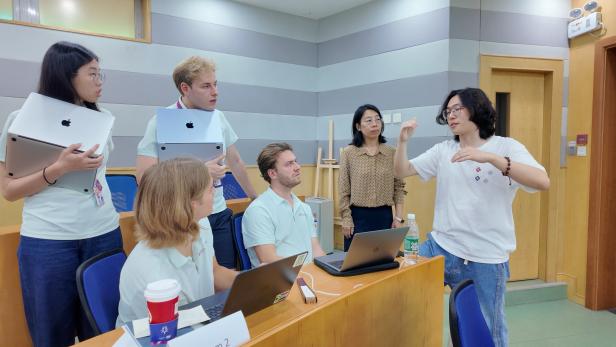
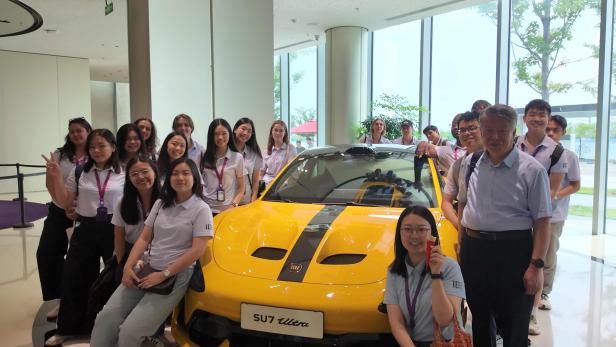
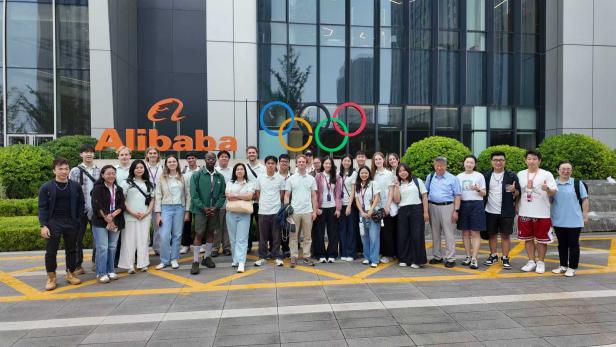
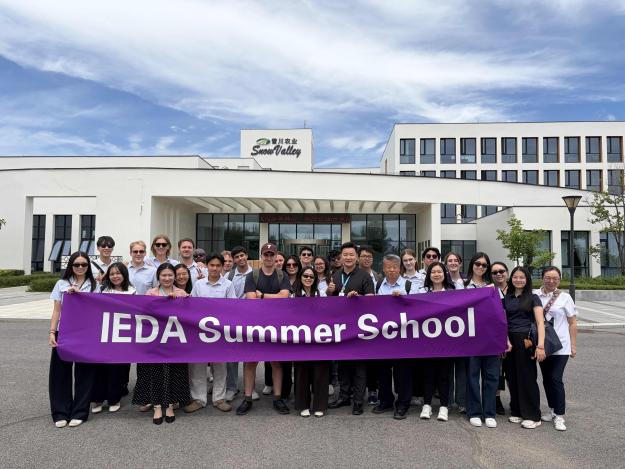
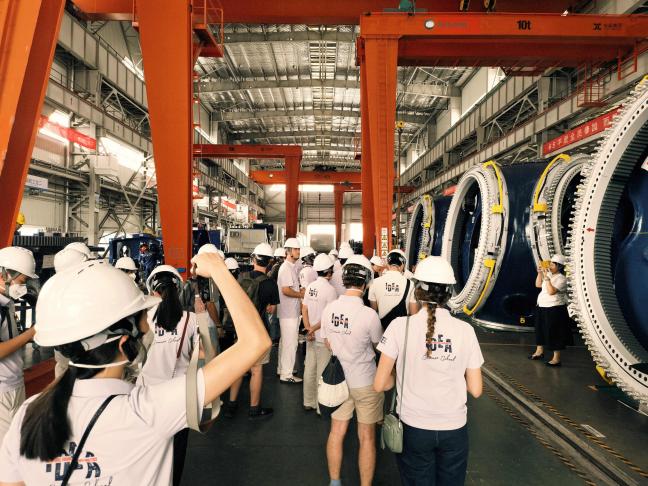
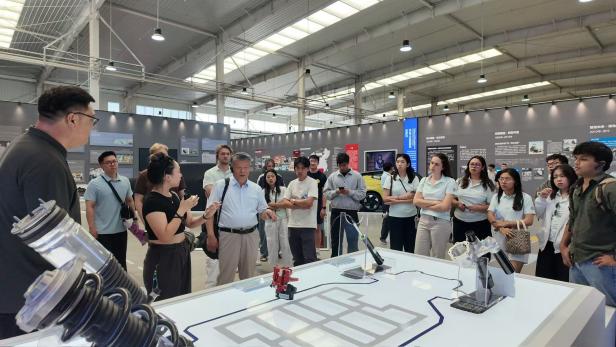
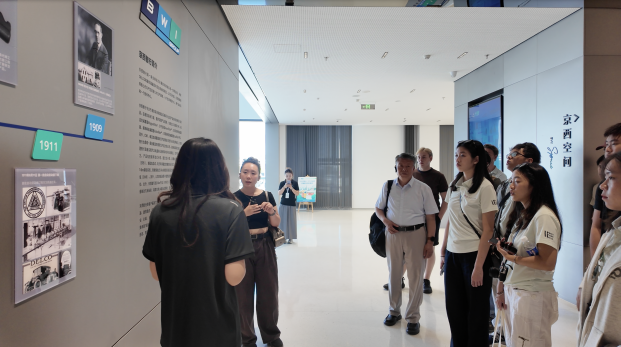
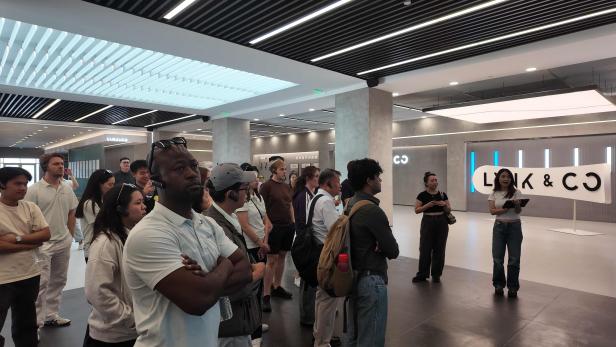
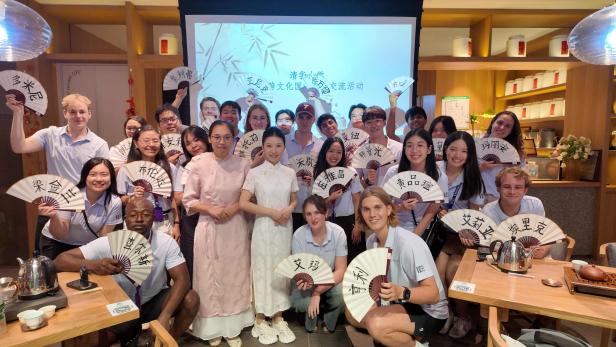
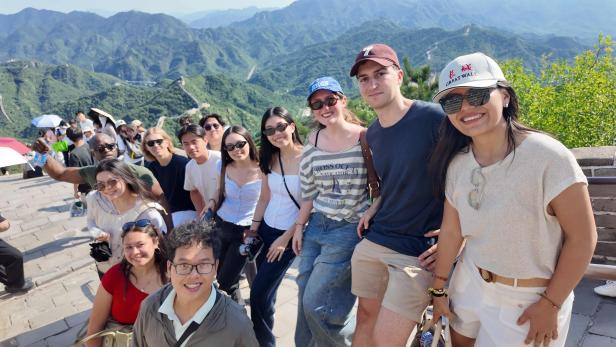
Summer school classes, company visits, and cultural activities
The two-week program strengthened students' knowledge in the field and gave young people from different countries opportunities to exchange ideas and learn from one another, deepening international cooperation in education and cultural exchange.
The Department of Industrial Engineering at Tsinghua University will continue to develop high-quality international exchange programs, giving students from around the world more opportunities to learn, exchange ideas, and gain hands-on experience. Through these exchanges, students can broaden their perspectives and grow together. We wish each student well as they move forward with the knowledge, friendships, and memories they gained at Tsinghua.
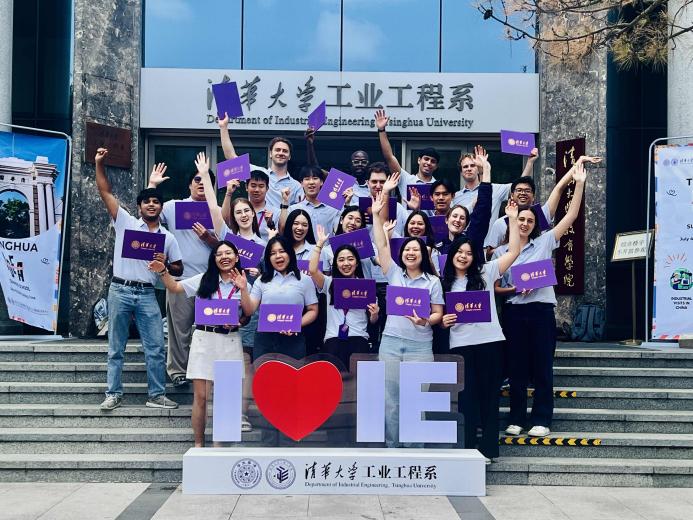
Summer school group photo
Source | International Master's Programs Team, Department of Industrial Engineering
Edited by | Zixin Wang
Reviewed by | Lefei Li





 Intranet
 中
 Search